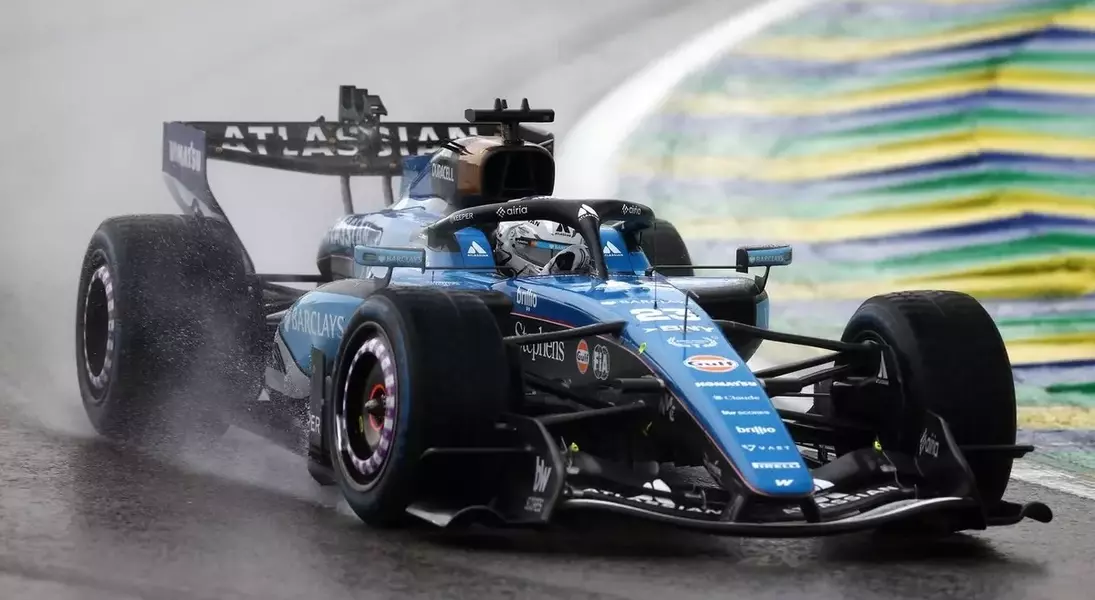
Williams Racing, a prominent Formula 1 team, has taken a bold step by opting to forego further aerodynamic enhancements for its 2026 challenger. This decision, as articulated by team principal James Vowles, is a strategic imperative to redirect valuable resources towards the development of their 2027 car, despite the immediate competitive disadvantages it entails. Vowles candidly described this move as "horribly painful," highlighting the inherent conflict between short-term performance and long-term strategic planning.
For a considerable period, Williams has been engaged in a sustained rebuilding effort. The team had initially harbored expectations that the foundational progress achieved in 2025 would seamlessly transition into the new regulatory era. However, the immense engineering demands associated with crafting an entirely new vehicle proved to be a significant hurdle. The Grove-based outfit found its systems strained, resulting in a car that was delivered behind schedule, exceeded weight limits, and consequently, lacked aerodynamic refinement. This challenging situation necessitated a fundamental reevaluation of their immediate and future objectives.
Williams devoted substantial efforts to address the car's weight issues, eventually introducing a lighter chassis in Azerbaijan, which is intended to carry over into the subsequent season. Nevertheless, with the team accumulating a mere 12 points to date, Vowles was compelled to make the difficult choice to ringfence a portion of the remaining cost cap allocation. These funds are now exclusively dedicated to optimizing the 2027 car project. This means intentionally not translating certain aerodynamic advancements observed in the wind tunnel into physical components for the current vehicle.
Beyond the cessation of 2026 aero developments, the team is also operating with minimal spare parts. This approach ensures that financial outlay is not directed towards components that will soon become obsolete. Furthermore, Williams has strategically utilized recent Friday practice sessions not for immediate weekend optimization, but as extended test opportunities to gather crucial data for their 2027 development program. This is a common tactic employed by teams looking ahead to significant regulatory changes, prioritizing future competitiveness over marginal current-season gains. As Vowles emphasized, in the current scenario, points are likely only to come through sheer luck, making investment in the future the most logical and beneficial path forward for the team.